
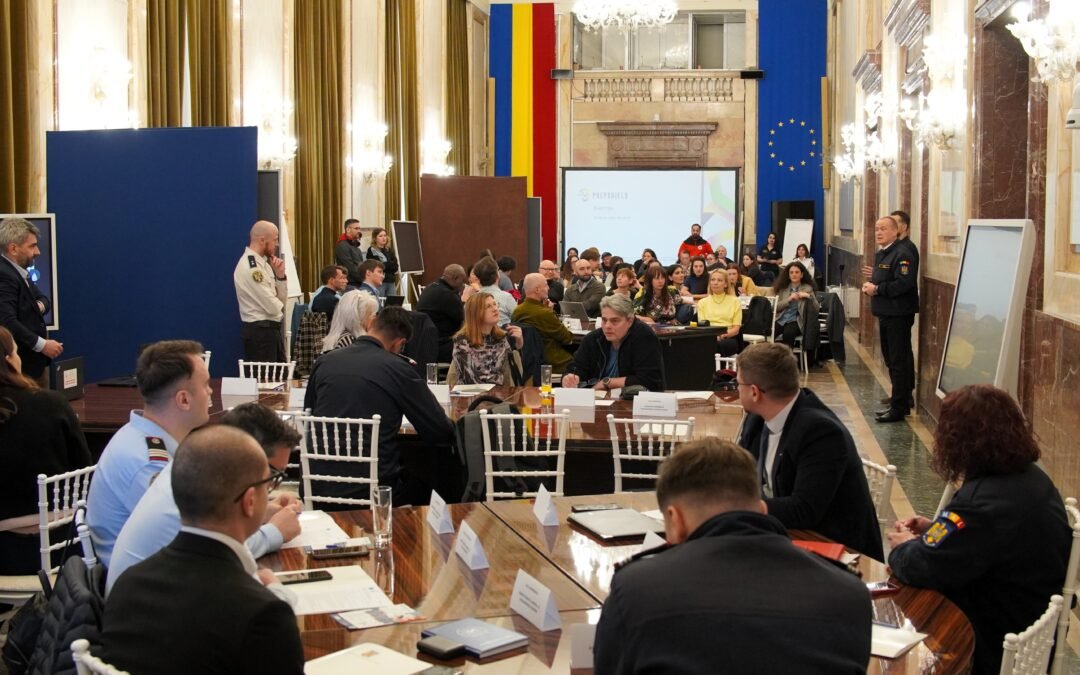
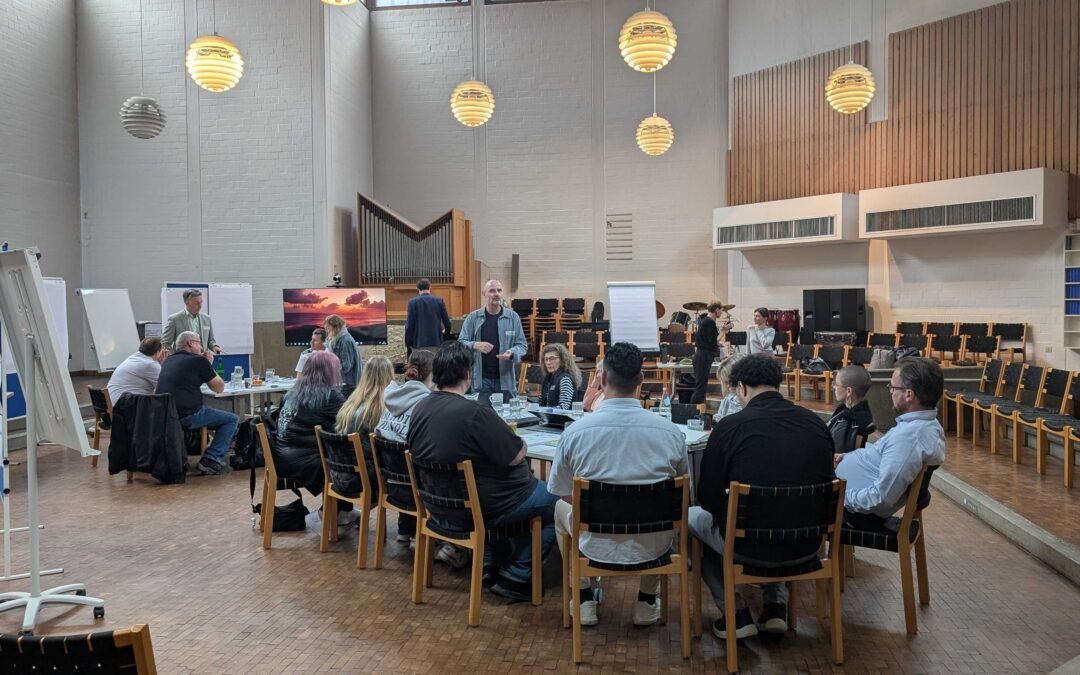
This exercise brought together a diverse and highly engaged group of participants, including vulnerable citizens, a crisis management team, and key project partners such as the Romanian Red Cross and the Department for Emergency Situations. The level of participation and curiosity was remarkable, with thoughtful questions and active discussions throughout the session.
WHAT WE LEARNED
One of the key strengths of this exercise was the diversity of perspectives within the participant group, which enriched the dialogue and provided valuable insights into community dynamics — particularly around trust and information-sharing. These exchanges highlighted how influential local figures, such as community leaders and healthcare professionals, can shape public perceptions, reinforcing the importance of clear, trusted communication channels in crisis contexts.
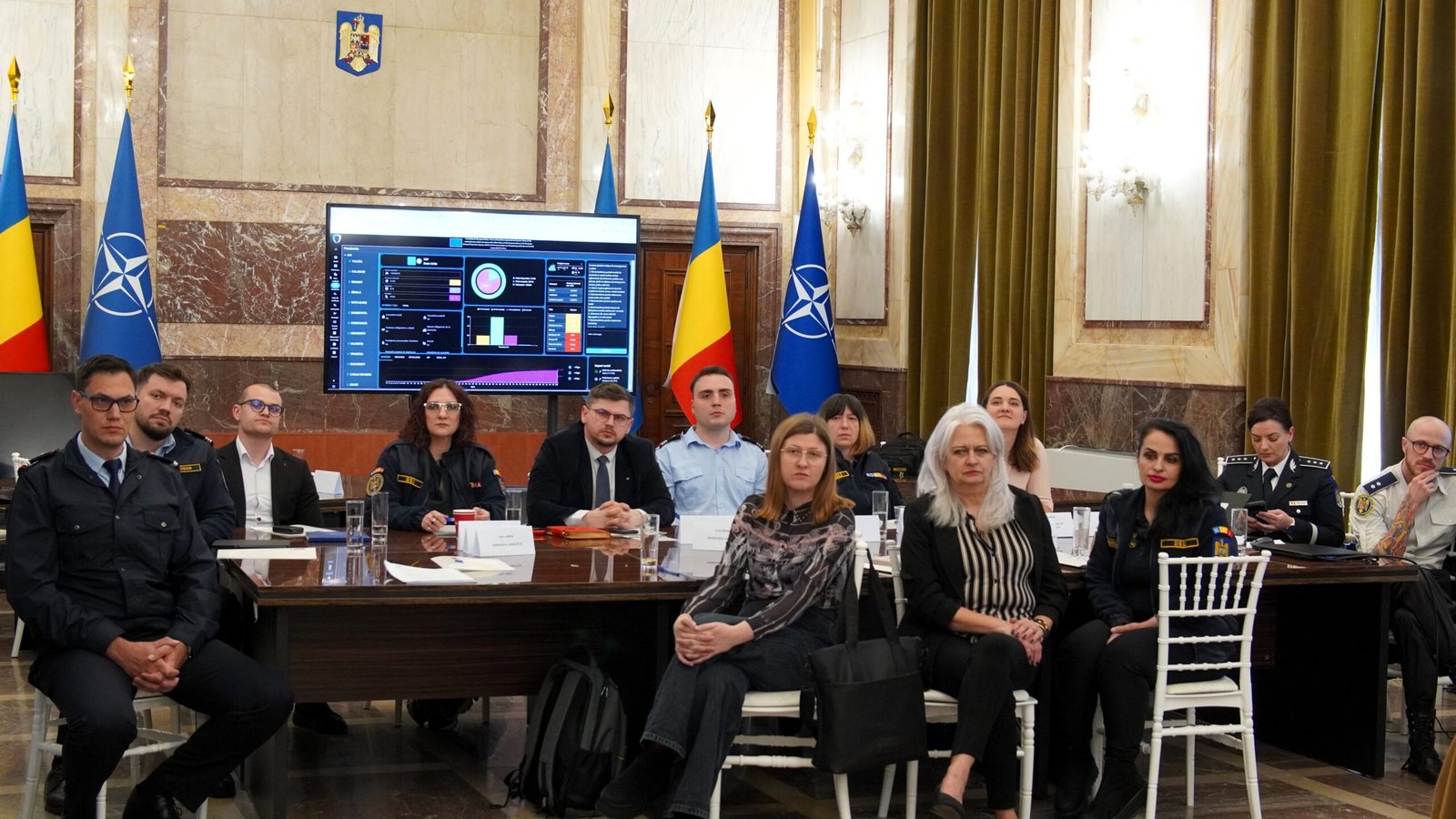
From a technical perspective, the exercise provided constructive and actionable feedback on both the platform and the mobile application. The crisis management teams offered practical suggestions that will directly support upcoming online pilot implementations. The integration between agent-based modelling outputs and forecasting tools proved especially valuable, offering a clearer pathway for translating data into decision-making support.
The mobile application was well received, particularly among younger participants, and the feedback collected will help improve accessibility and usability across different user groups.
The scenario design, building on previous pilots, translated effectively to the national context with only minor adaptations, demonstrating the robustness and scalability of the approach.
A whole-of-society APPROACH
A distinctive feature of the PREPSHIELD approach is the inclusion of a Market Group alongside the Crisis Management Team. Rather than limiting the exercise to institutional actors, the design deliberately introduces societal perspectives, from vulnerable communities, minority groups, and civil society organisations, as a structured feedback mechanism. Decisions made by the crisis team are evaluated round by round through a societal lens, making inclusion not an afterthought but a core part of the methodology.
What’s NEXT?
Findings from the Bucharest exercise will feed into PREPSHIELD’s final policy recommendations, refined best practice guidelines, and a validated TTE methodology that European practitioners can adapt for future use.
Date
Location
Scale
TT EXERCISE
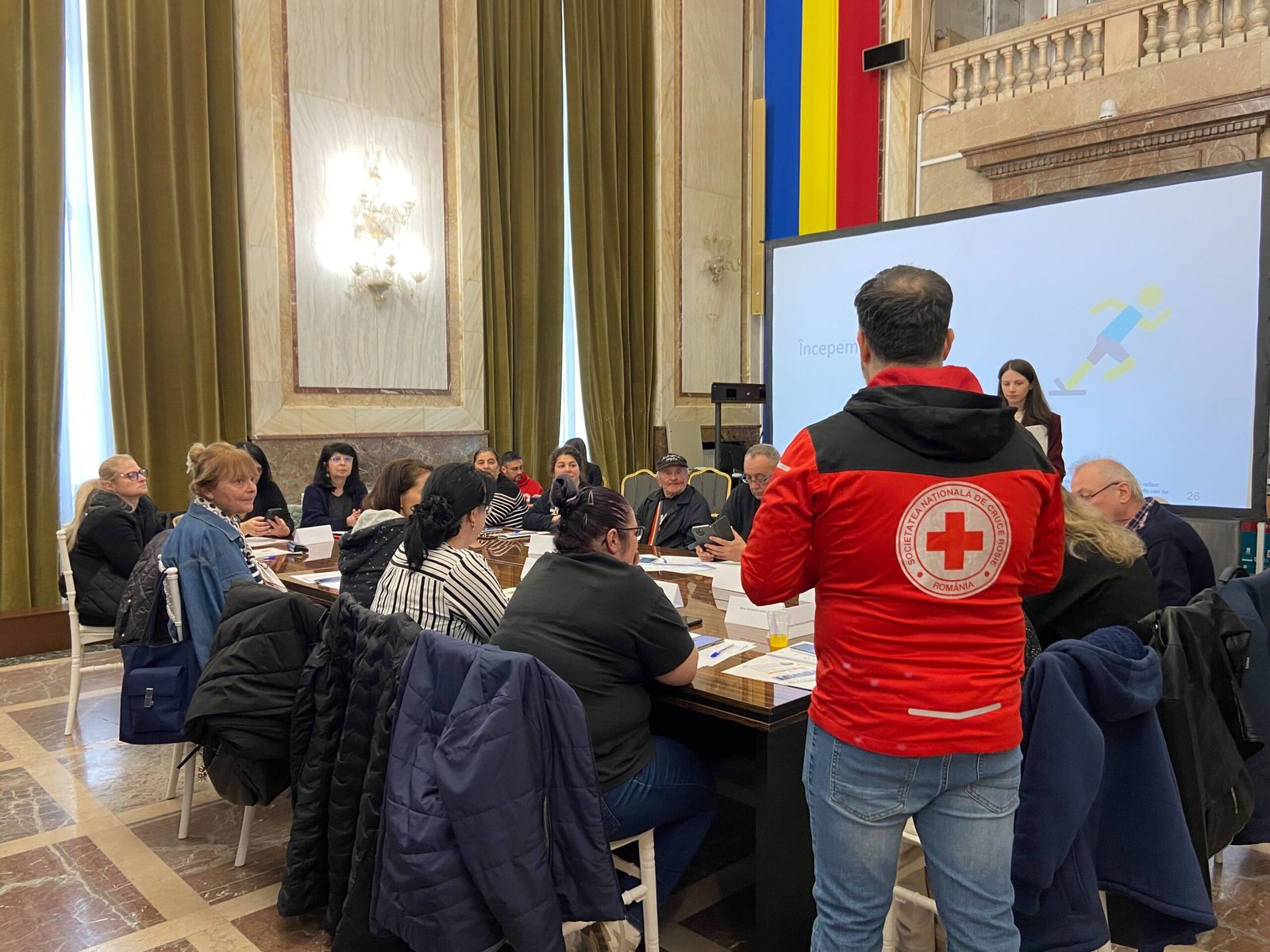
Romanian Red Cross & Market Group
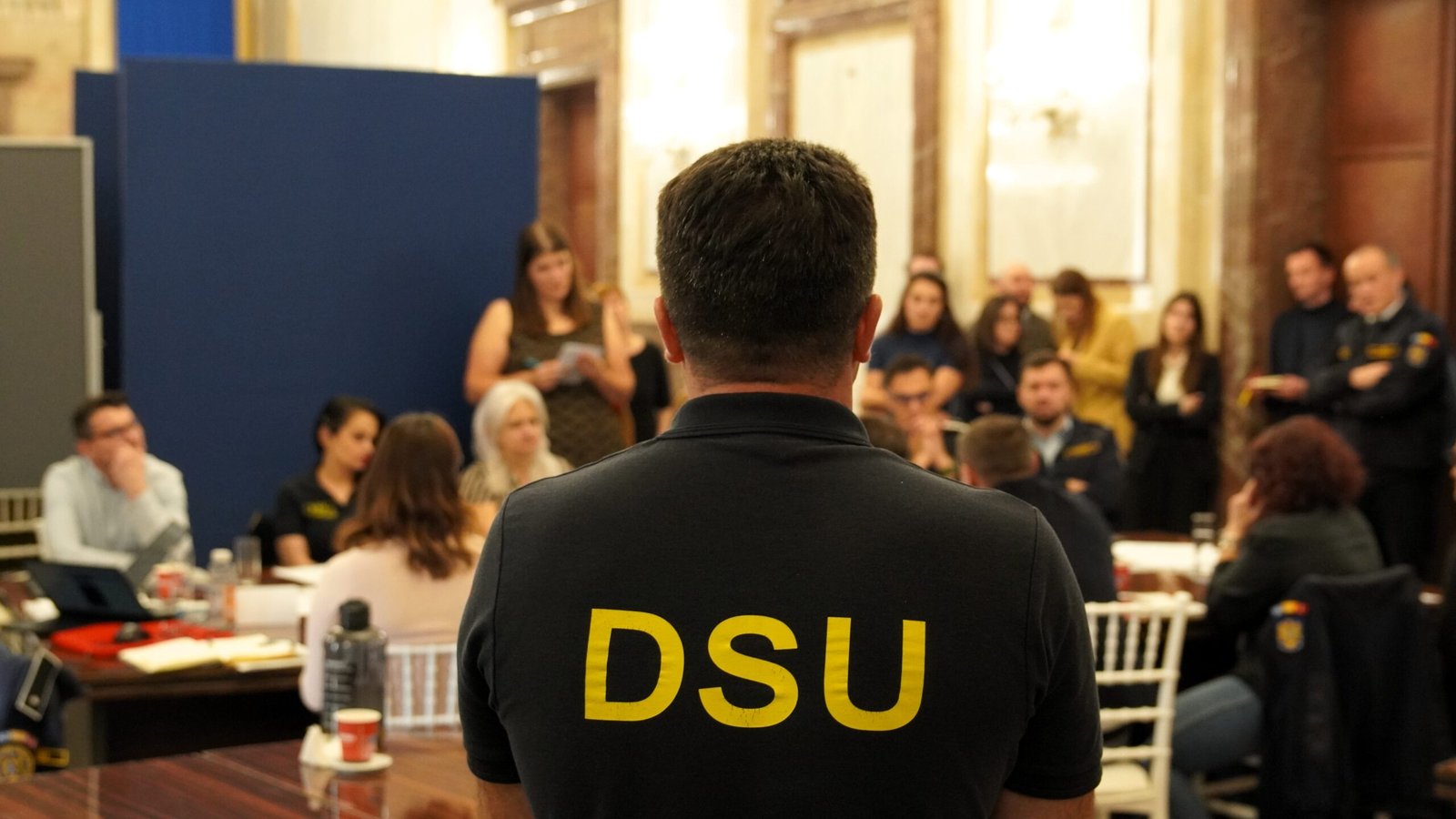
DSU Romania (local organiser, CMT)

 Romanian
  English
  Italian
  German