
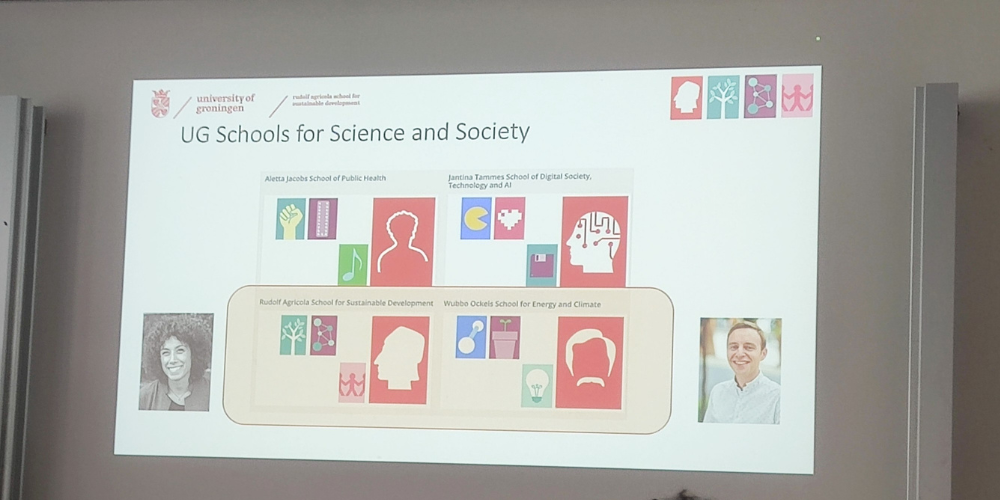
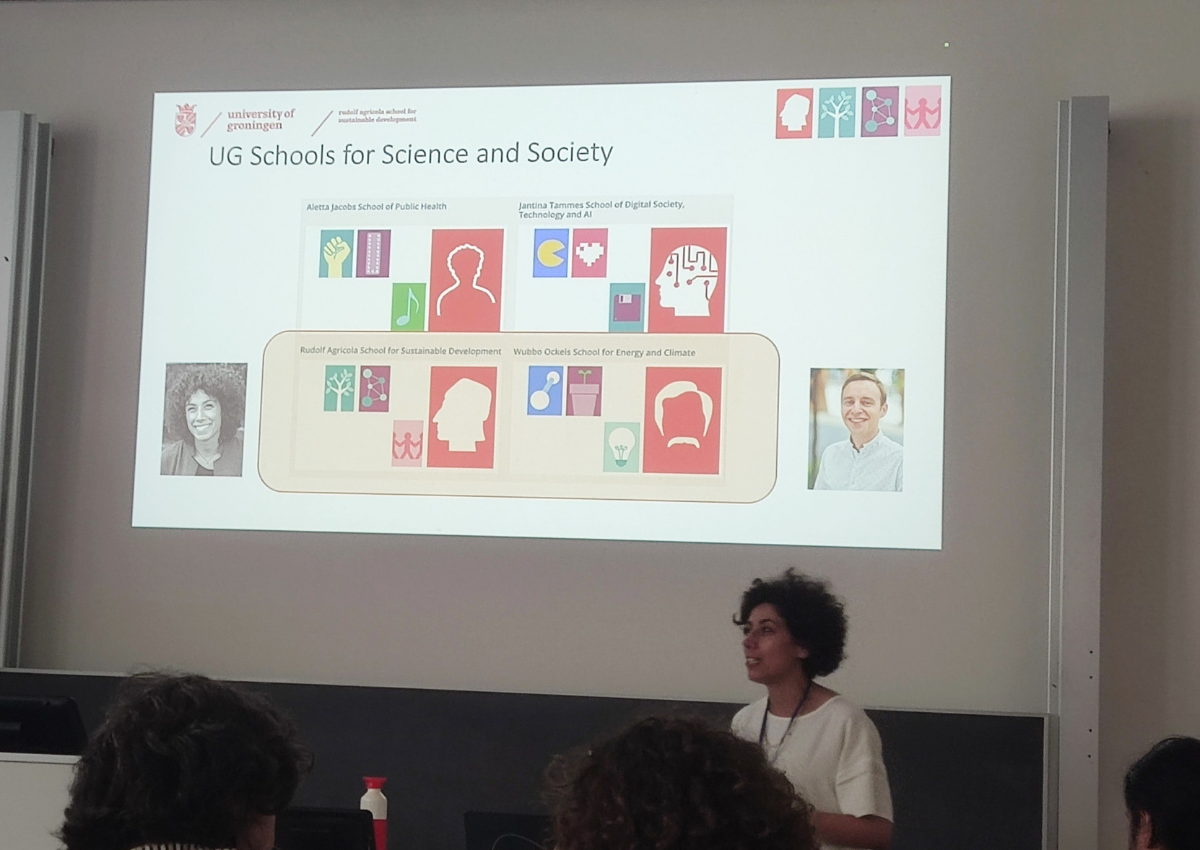
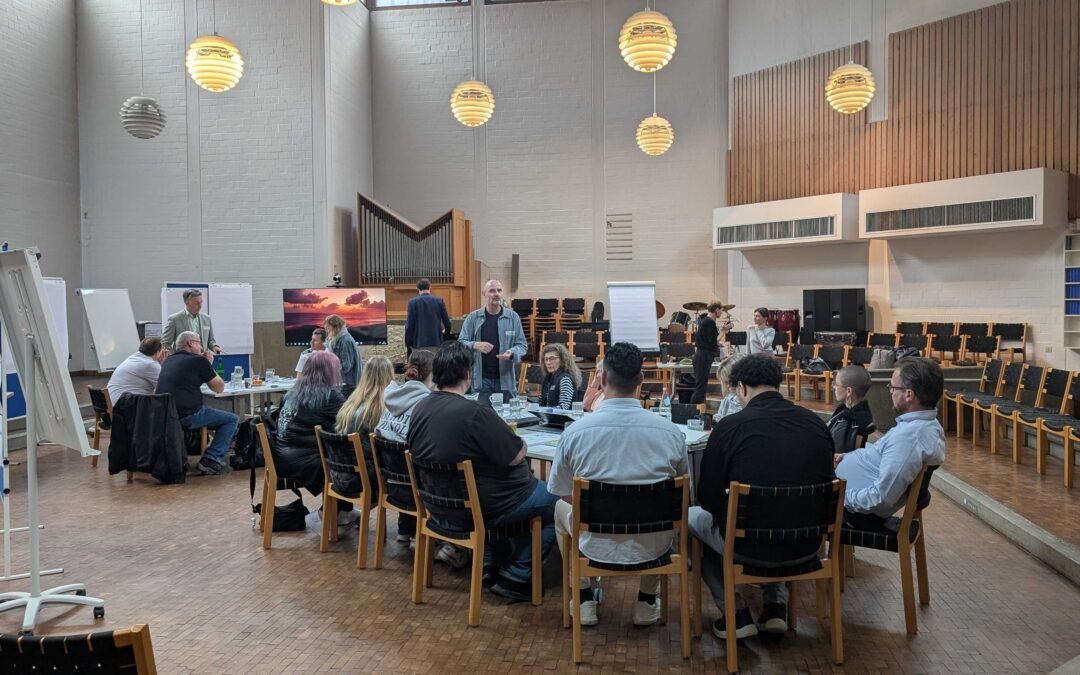
From 24 to 26 June 2026, the University of Groningen hosted the workshop “Power to the People: Participatory Modelling for Societal Resilience”, bringing together researchers and practitioners to explore how participatory approaches, stakeholder engagement, and computational modelling can strengthen societal preparedness.
The workshop was organised by PREPSHIELD project partner Francesca Giardini from the University of Groningen. Over three days, participants engaged with questions at the intersection of modelling, public participation, and crisis readiness, covering challenges ranging from health crises and climate risks to energy transitions and emergency response.
A Rich Programme of Expert Perspectives
The programme featured invited talks from leading figures in the field. G. Perlaviciute spoke on public participation in climate and energy policy; Bruce Edmonds explored how agent-based modelling can complement participatory futures processes; Leonardo Palumbo from WHO Europe presented on co-designing emergency response through community mapping; and Nigel Gilbert introduced the Participatory System Mapper. Sessions also covered participatory budgeting, opinion dynamics, climate governance, social vulnerability, and co-creation with communities.
PREPSHIELD’s Contributions
PREPSHIELD was actively represented throughout the workshop.
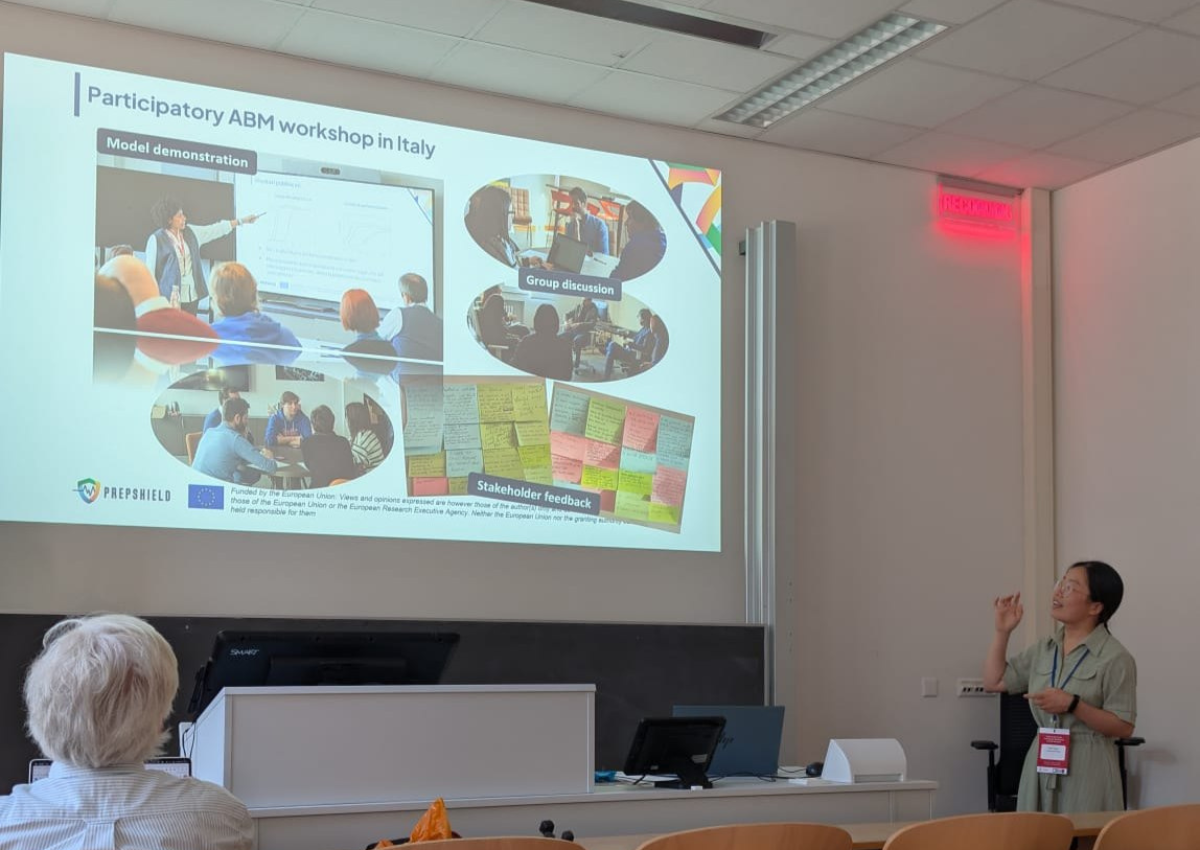
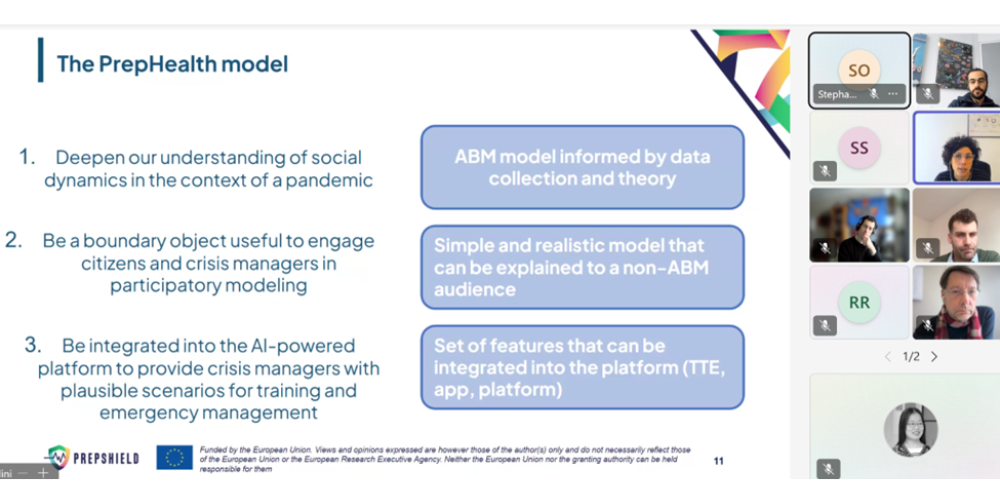
Echo Teng Li from the University of Groningen presented ongoing PREPSHIELD research on improving preparedness for health crises through computational modelling. The presentation demonstrated how agent-based and participatory modelling can be used to explore behavioural responses, trust, vulnerability, and compliance during health emergencies, while also fostering meaningful dialogue with stakeholders.
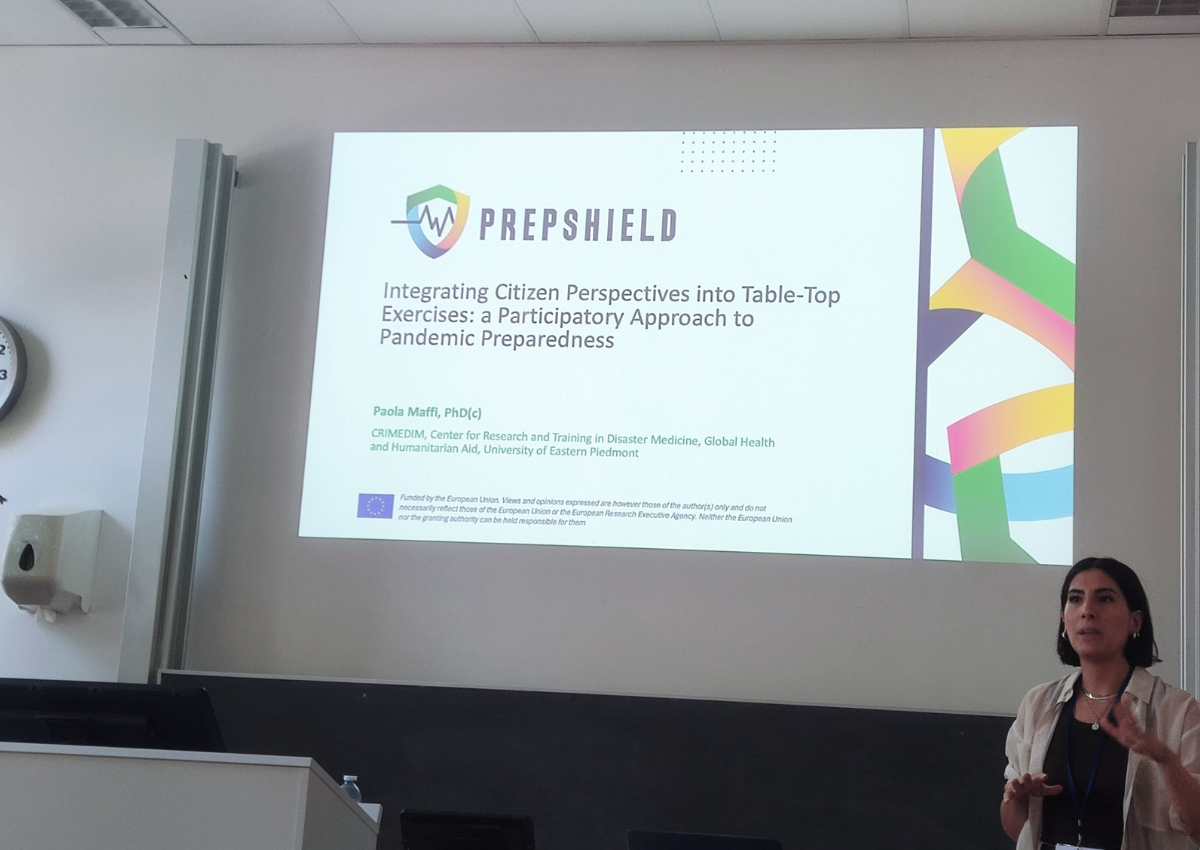
Paola Maffi from UPO presented work on integrating citizen perspectives into table-top exercises for pandemic preparedness. Her presentation underscored the value of involving citizens and local stakeholders in preparedness exercises to capture lived experiences, local knowledge, and practical barriers to effective crisis response.
Preparedness as a Social Process
Across three days, the workshop created a productive space for exchange between experts in participatory modelling, agent-based simulation, public participation, emergency response, and societal resilience. A recurring theme was that preparedness is not solely a technical challenge, it is equally a social and participatory one. Connecting modelling approaches with stakeholder knowledge is key to developing strategies that are inclusive, realistic, and actionable.
The workshop provided an important opportunity for PREPSHIELD to share progress, learn from related initiatives, and deepen collaboration around participatory approaches to societal preparedness.

 Italian
  English
  Romanian
  German